The Vault Is Not a Museum: Turning Brand Archives Into Living Work
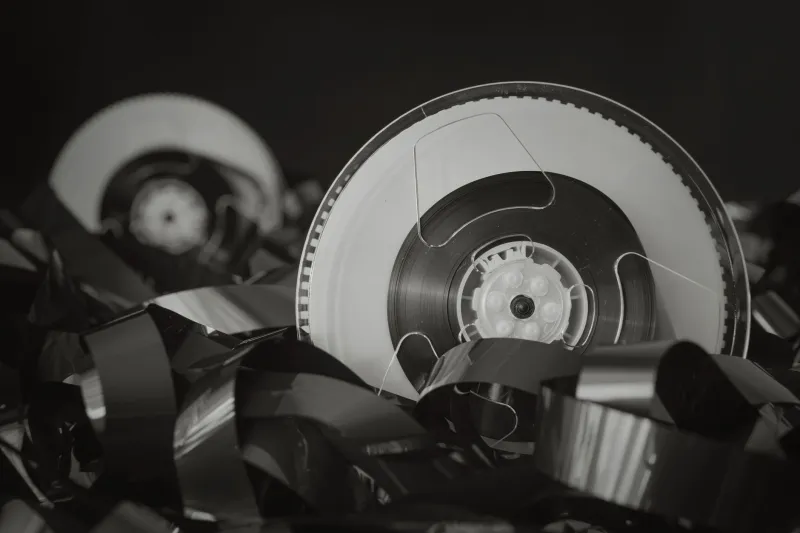
Every brand with a little history has a basement. Sometimes it is literal: boxes of packaging, a hard drive of founder interviews, a shelf of VHS tapes labeled by someone who left years ago. Sometimes it is metaphorical: a folder of campaign assets nobody has opened since launch. The smartest brands are treating that basement less like a museum and more like a creative department.
That shift is showing up in the work. Old footage is being recut into documentary shorts. Founder letters are becoming voiceover. Retired packaging is returning as limited-edition design. Forgotten campaigns are getting second lives as social series, retail installations, and even entertainment formats. The archive is no longer a compliance chore. It is source material.
But here is the trap: nostalgia is a feeling, not a brief.
Nostalgia Is a Feeling, Not a Brief
A clip reel can make people smile. It rarely makes them care. The difference between archival storytelling and a highlight montage is point of view. A brand has to decide what the old material is arguing. Is it proof of craft? Evidence of stubbornness? A confession about how the company got something wrong? A map of how a product changed with the country?
Without that argument, the archive becomes decoration. With it, the archive becomes narrative.
At Rivero Works, we have watched enough vault projects go sideways to know the pattern. The teams that struggle start with assets. They ask, “What do we have?” The teams that break through start with a thesis. They ask, “What do we need to prove, and what old material can prove it?”
The Archive Needs a Curator, Not a Caretaker
Caretakers preserve. Curators choose. A curator can look at forty years of footage and say, “This ten-second shot of the factory floor explains our entire quality story.” That is not a filing job. It is an editorial job.
Good curation also means subtraction. The obvious clips are usually the least interesting. The founder laughing at a desk is fine. The founder pausing before an answer, then admitting the first product was bad, is better. The old ad with the famous jingle is familiar. The outtake where the jingle falls apart is human.
Curators also index by feeling, not just date. Tags like “1978” are useful for rights. Tags like “stubborn,” “handmade,” “nervous,” “first day,” and “almost didn’t happen” are useful for creative. A living archive should be searchable both ways.
Build a Rights Map Before You Build a Mood Board
This is the unglamorous part, and it is where plenty of beautiful ideas die. Archival work requires rights clearance across footage, photography, music, talent, locations, art, and even fonts. Old contracts can be incomplete. Releases can be missing. A performer in a 1990s ad may have signed for broadcast only, not for a streaming documentary. A song may have been licensed for one year.
The mistake is waiting until the edit is locked to ask legal. By then, the best shot is the one you cannot use. Build a rights map early. Label every asset with what it is, who owns it, where it came from, and what uses are cleared. Then let creative work inside those lines. Constraints are not the enemy. Surprises are.
Give Old Material a New Job
The strongest archive projects do not just repackage. They reassign. A founder letter becomes the spine of a short film about why the company still makes one product the slow way. A retired label becomes a design system for a limited run. A local news clip from a grand opening becomes the opening beat of a campaign about a neighborhood the brand still calls home.
This is where commercial and entertainment work start to overlap. The same vault can feed a brand film, a podcast segment, a retail display, and a creator collaboration. The material is not the strategy. The job is the strategy. The archive just helps you do it with evidence.
A Living Resource, Not a Shrine
The final step is governance. If the archive only gets attention during an anniversary, it will stay a shrine. If it gets attention every quarter, it becomes a resource. Put an archive prompt in every creative brief. Invite the archivist into early creative reviews. Schedule regular pulls around product launches, cultural moments, and storytelling needs.
The brands doing this well are not betting on nostalgia. They are betting on specificity. Old material has something new work often lacks: proof that the company was actually there. Used with a clear point of view, that proof can move culture forward instead of just reminding people where it has been.