Worth the Wait: How Slow Studios Are Charging More and Working Less
The Pitch Nobody Expected to Work
Imagine telling a client that their project will take four months instead of six weeks, cost twice what they budgeted, and involve a production process you'll document in obsessive detail along the way. Now imagine them saying yes — enthusiastically.
That's the reality for a growing number of independent creative studios across the US that have built their entire business model around what's being called the craft economy: a deliberate, unapologetic embrace of slow production, bespoke process, and premium pricing that reflects the actual cost of doing exceptional work.
This isn't a niche experiment anymore. It's a legitimate business strategy, and it's working.
What the Craft Economy Actually Is
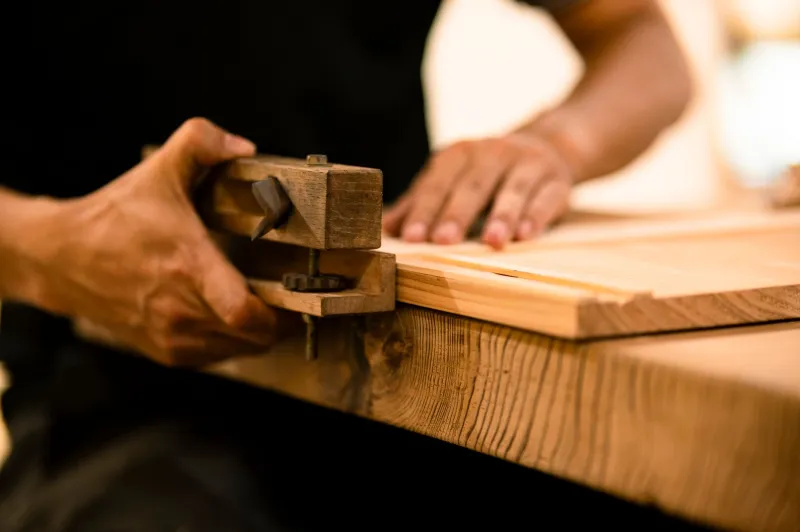
The craft economy, as it applies to creative work, is the commercial argument that deliberate, time-intensive production has inherent value — and that the right clients will pay for it. It borrows from the logic of artisan goods: a hand-thrown ceramic mug costs more than a factory-produced one not just because it took longer, but because the time itself is part of what you're purchasing.
Applied to design studios, production companies, and content creators, this looks like: longer timelines built into contracts, hand-finishing and bespoke touches that can't be templated, and a client relationship built around the journey rather than just the deliverable.
Here's a look at how different kinds of creative businesses are making this model stick.
The One-at-a-Time Studio
A graphic design studio based in Santa Fe has a policy that most agencies would consider commercial suicide: they take one client at a time. One project, full attention, nothing else running in parallel. Their waitlist currently sits at seven months.
Their pricing reflects the model — projects start at a rate most mid-sized agencies would charge for a full brand refresh, and that's for work that might look, from the outside, like a logo and a style guide. What clients are actually buying is the studio's complete focus, a documented creative process, and the confidence that the work wasn't squeezed between fifteen other projects.
The studio's founder is clear about who this is for: brands that have been burned by fast, cheap work and are ready to invest in something that lasts. That client profile, it turns out, is not as rare as you'd expect.
The Process as the Product
One of the more interesting things happening in the craft economy is the way studios are monetizing the process itself — not just the finished output. A film production company in Nashville that specializes in brand documentaries doesn't just deliver a film. They deliver a production journal: weekly written updates, behind-the-scenes stills, rough cut previews, and a final "making of" package that clients use in their own marketing.
The extended timeline isn't just about quality control — it's a content engine. Clients who sign on for a six-month production cycle are getting six months of authentic behind-the-scenes material they can use across their channels. The slow process becomes a fast content strategy.
This kind of thinking reframes the timeline entirely. The question isn't "how long does this take?" It's "what does the time produce?" When the answer is "more than just the finished piece," the conversation about rates changes completely.
Hand-Finishing in a Digital World
For a Brooklyn-based motion design studio, the premium offering is literal handwork built into a digital process. Every project includes a phase where elements are hand-drawn, painted, or constructed physically before being scanned and integrated into the final digital output. It adds weeks to the timeline and a significant line item to the budget.
Clients keep coming back because the result is genuinely distinct. In a world where most motion graphics look like they came from the same After Effects template library, work that has visible human touch stands out immediately. The hand-finishing isn't just aesthetically different — it's strategically different. It's work that can't be replicated by a competitor who downloads the same plugin.
The studio is transparent with clients about the process: here's what we're doing, here's why it takes as long as it does, here's what you're getting that you can't get anywhere else. That transparency is part of what justifies the rate.
The Bespoke Brief
A content studio in Los Angeles that works with hospitality and luxury lifestyle brands has built their entire intake process around what they call the bespoke brief — a document that takes three weeks of discovery calls, site visits, and cultural research to produce before a single frame is shot.
Most clients have never experienced a creative brief that thorough. By the time the studio presents it, the client has already seen evidence that this team understands their brand at a level most agencies never reach. The brief itself becomes a sales tool — not for the project, but for the relationship.
The studio charges for the discovery phase separately, which filters out clients who aren't serious. The ones who pay for the brief and go through the process are almost never the ones who haggle over the production budget.
Who's Buying This
The common thread across all of these studios is a specific client profile: brands that have tried fast and cheap, been disappointed, and are now ready to think differently about what creative investment means. Often these are companies going through a repositioning, a rebrand, or a significant cultural moment — a launch, an anniversary, a values shift — where getting it right matters more than getting it done quickly.
They're also, increasingly, brands that want their creative work to reflect their own values around craft and quality. A furniture maker that hand-finishes every piece doesn't want their brand film shot in a weekend. There's alignment in the process that becomes part of the story.
Efficiency Isn't Always the Win
The broader implication here is worth sitting with: the creative industry has spent years optimizing for speed and scale, and a meaningful number of clients have decided that's not actually what they want. They want attention. They want specificity. They want work that couldn't have been made for anyone else.
The studios that figured out how to charge for that — and how to build a business that doesn't require volume to be sustainable — are doing some of the most interesting work in the country right now.
Slow, it turns out, can be a very good business.